Grounded in People. United for Peace and Rights
Before becoming Common Ground for Peace, Rights and Development (CGPRD), the organization operated as the Humanitarian Network for Northern Nigeria (HNNN). Under HNNN, the organization implemented community-driven humanitarian, peacebuilding, health, and education interventions across Northeast Nigeria. These experiences laid the foundation for CGPRD’s strategic shift from project-based responses to a whole-of-system approach that integrates peace, rights, democratic governance, and sustainable development. The projects below reflect this legacy and inform CGPRD’s current and future programming direction.
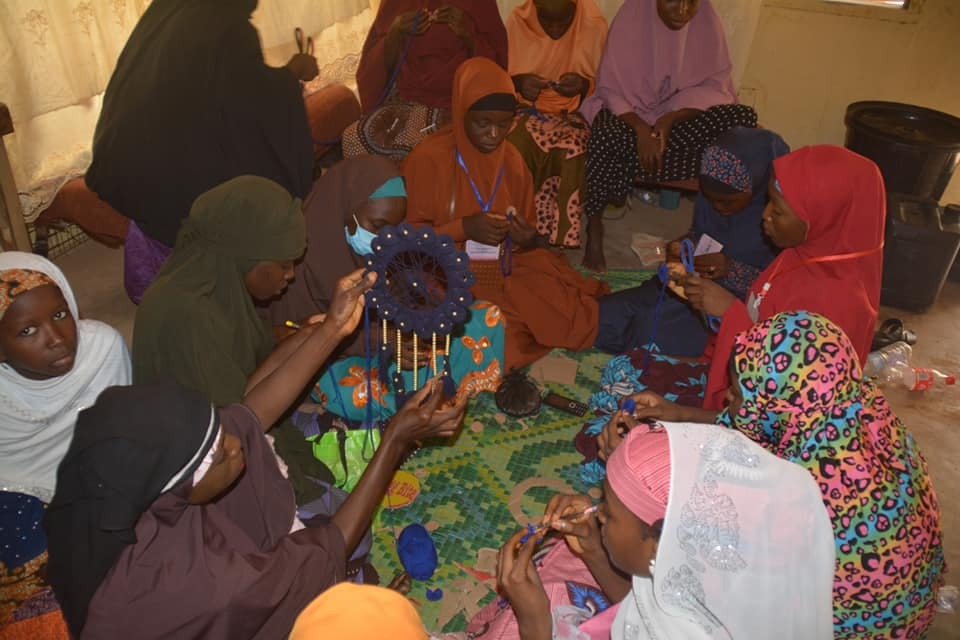
The Skill-Up Young Women (SKY) Project was designed to address the compounded effects of conflict, displacement, and economic exclusion faced by young women in Yobe State. The project provided practical vocational skills training to women aged 18–30, including survivors of insurgency, widows, unemployed school leavers, and young mothers.
Beyond skills acquisition, the project emphasized collective enterprise development, market linkages, and peer collaboration to ensure sustainability beyond donor cycles.
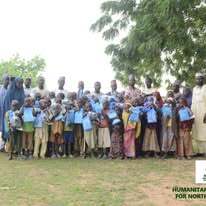
This initiative responded to the education emergency in Northeast Nigeria, where insurgency left thousands of children orphaned and out of school. HNNN supported orphaned children through school enrollment, learning materials, parental engagement, and community sensitization on the right to education.
The program combined rights-based advocacy with direct support, ensuring both access and community ownership.
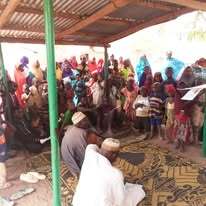
“In Peace, Not in Pieces” was a large-scale peace education and social cohesion initiative targeting youth and women across Yobe State. The project promoted peaceful coexistence, tolerance, and community dialogue while advancing the principles of UNSCR 2250 (YPS) and UNSCR 1325 (WPS).
Creative tools such as sports, cultural activities, and community dialogues were used to rebuild trust in post-conflict settings.
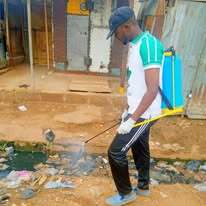
The No Malaria Project introduced an innovative, community-based malaria prevention model in four local governments of Yobe State. The intervention expanded vector control beyond indoor spraying to include environmental sanitation, drainage systems, and public spaces, alongside distribution of protective materials and health education.
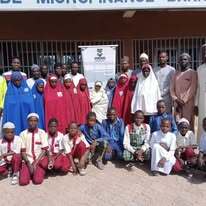
STEP was initiated to support children whose education trajectories were disrupted by conflict. The project focused on academic transition support, peace clubs, career guidance, digital literacy, and soft-skills development to reduce dropout rates and improve preparedness for higher education.
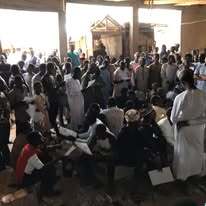
The LTCK Campaign focused on Hepatitis B awareness, prevention, and vaccine uptake in rural communities. Through radio programs, community outreach, and healthcare worker training, the project addressed misinformation and strengthened trust in public health systems.
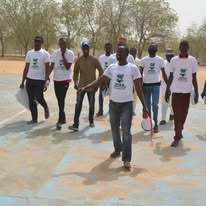
SCOLA was an early response initiative addressing COVID-19 and Lassa Fever risks in rural communities. The project emphasized primary prevention through local-language messaging, hygiene material distribution, and community education on disease prevention.
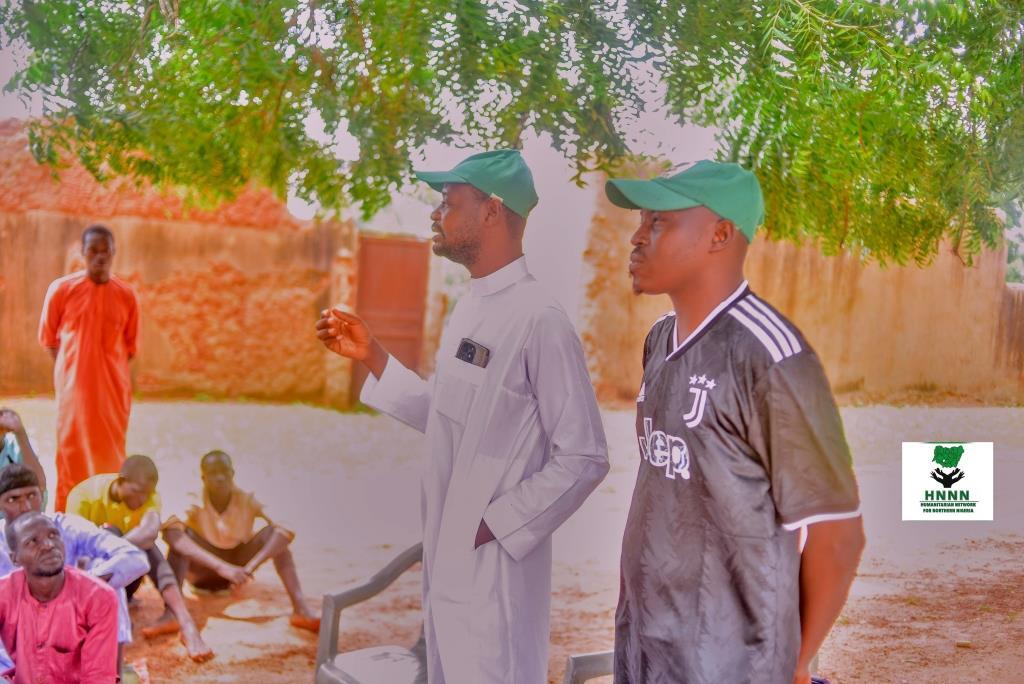
This project localized the Youth, Peace and Security (YPS) Agenda by raising awareness among youth and women across multiple communities. It empowered young people to engage in advocacy, dialogue, and peacebuilding as legitimate stakeholders.
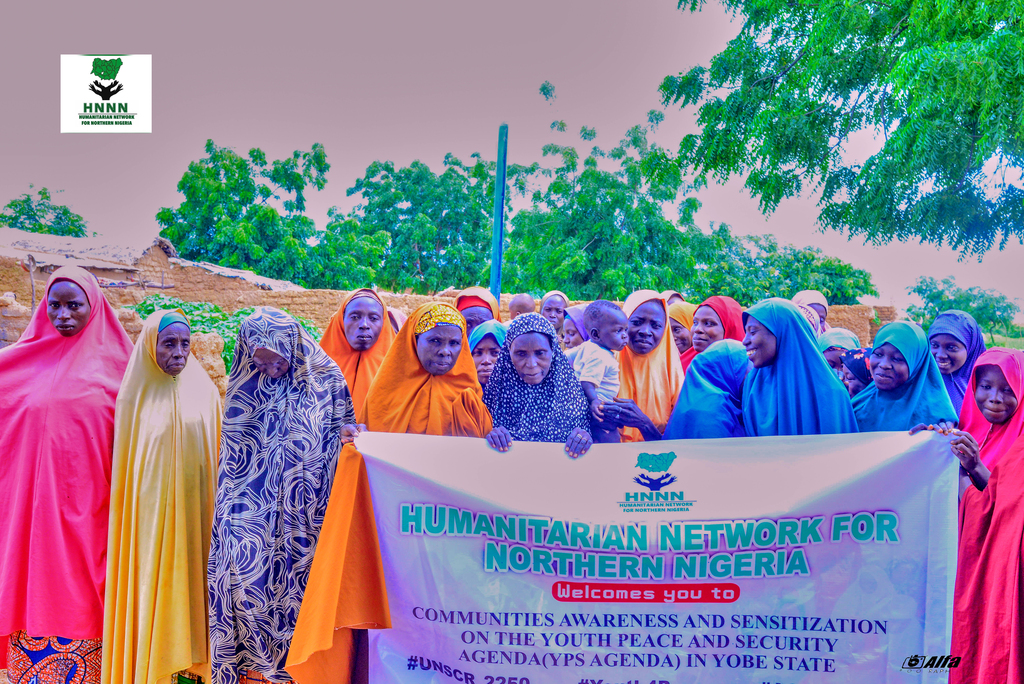
Preach Peace empowered women as frontline peace educators by equipping them with culturally adapted peace education materials in multiple local languages. The project recognized women’s role in shaping values at household and community levels.